Prince George’s County Court Calendar provides residents, attorneys, and public users with up-to-date information on all scheduled court hearings, trial dates, and courtroom sessions. This calendar covers civil, criminal, family, and traffic cases, offering a comprehensive view of legal proceedings across the county. By checking the court schedule regularly, individuals can confirm their hearing dates, avoid missed appearances, and ensure they are prepared for any upcoming sessions. The calendar includes daily docket updates, courtroom locations, and case-specific schedules, giving users a structured overview of judicial activity. Legal professionals can use the calendar to plan their court visits efficiently, while residents can stay informed about cases that may affect them or the community. This organized schedule is sourced directly from official court records, making it a reliable reference for anyone needing accurate, current information on judicial proceedings.
Staying informed through the Prince George’s County Court Calendar helps users track case schedules and court hearings effectively. The page presents detailed information about courtroom sessions, including trial dates and hearing times, ensuring users have everything they need at a glance. Public users can monitor broader judicial activity, while lawyers can coordinate client cases and courtroom appearances with ease. Daily updates guarantee that changes in trial dates or session times are reflected promptly, keeping all users aligned with the official legal calendar. By offering reliable and structured information, this resource simplifies the management of court responsibilities and provides clarity for anyone involved in legal matters. Whether checking family division hearings, civil trials, or traffic court sessions, users can access accurate schedules and plan accordingly. This ensures transparency, reduces confusion, and supports timely attendance at all court proceedings.
About Prince George’s County Court
Prince George’s County Court manages legal proceedings for a variety of cases across the county. It organizes court sessions and maintains courtroom schedules to ensure orderly handling of civil, criminal, and family matters. The court system in Prince George’s County, MD includes several specialized divisions that handle different types of cases. The Circuit Court deals with serious criminal offenses, major civil cases, and appeals from lower courts. The District Court manages traffic violations, minor criminal offenses, small claims, and landlord-tenant disputes. The Family Division focuses on domestic issues such as custody, support, and protective orders. Additionally, the Orphan’s Court handles probate matters, wills, estates, and guardianships. Each of these divisions ensures cases are reviewed and resolved fairly, with procedures aligned to state law.
Key responsibilities of the court system include:
- Scheduling hearings and maintaining an accurate courtroom schedule.
- Recording and managing case proceedings.
- Providing access to public records for legal, business, and personal purposes.
- Overseeing enforcement of judgments and legal orders.
Hearings in Prince George’s County court are carefully scheduled based on the type and urgency of the case. Court staff coordinate sessions to avoid conflicts and ensure each matter receives attention. Calendars for court sessions are available for all divisions, allowing attorneys, parties, and the public to track case dates. Courts in Prince George’s County, MD follow strict procedures to maintain consistency and transparency in all judicial activities.
Court Divisions and Their Functions
| Division | Responsibilities | Typical Cases |
|---|---|---|
| Circuit Court | Manages complex civil and criminal matters | Felonies, civil lawsuits, appeals |
| District Court | Handles minor criminal and civil matters | Traffic, small claims, landlord-tenant disputes |
| Family Division | Oversees family-related cases | Custody, divorce, child support, protective orders |
| Orphan’s Court | Administers probate and estate cases | Wills, estates, guardianships |
Each division works closely with court clerks and administrative staff to keep records organized. Courtroom schedules are regularly updated, and session information is documented in official logs to ensure transparency. In addition to case management, the Prince George’s County Court plays a critical role in maintaining legal order. It enforces rules, safeguards rights, and provides a structured environment where disputes can be resolved fairly. The coordination across court divisions ensures that cases move efficiently from filing to resolution, while court staff monitor calendars, hearings, and records to minimize delays. By maintaining clear courtroom schedules and organized court sessions, the Prince George’s County Court ensures justice is delivered effectively across all courts in Prince George’s County, MD.
How to Search Your Hearing Date
You can find your hearing dates and see your case’s schedule on the Prince George’s County Court Calendar by using official online tools, calling the court office, or going to the courthouse in person. The most convenient option for most people is the online case lookup and court docket search tool. The official calendar and case search URL help you confirm your court schedule and avoid missing important hearings. Below is the easiest way for most people to check their trial or hearing dates.
Go to the official URL:
- For general calendars and events, use the Calendar page here: https://princegeorgescourts.org/Calendar.aspx
- To view your specific case information and hearing dates, use the Maryland statewide case search tool at https://casesearch.courts.state.md.us/
Start your search:
- On the case search page, choose “Case Search.”
- Enter the case number if you have it.
- Case numbers are usually on your notice or summons.
- If you do not have a case number, enter the party’s last name.
- Try to spell names correctly for best results.
- You may also narrow a date range if the tool offers that option so you can find hearings within specific weeks or months.
Filter results:
- Once you have the results, look for your case title and number.
- Click on the case link to view details.
- Here you will see upcoming hearing dates, trial date search outcomes, and court docket entries that show scheduled hearings, dates, and sometimes the courtroom location.
Review the court schedule:
- Check the next upcoming date carefully.
- The online tools will display the court docket schedule for your case.
- If multiple hearings are scheduled, you may see each one listed with time and department (Circuit Court, District Court, etc.).
Search by Phone
If online search is difficult:
- Find your court division’s contact number (e.g., Circuit or District Court).
- Call the clerk’s office and provide the case number or full name of the person in the case.
- Ask the clerk to give you the next hearing dates on the record.
Search In Person
- Visit the courthouse at:
14735 Main Street, Upper Marlboro, MD 20772 – Circuit and other schedules may be found at the clerk’s office. - Bring your case notice or identification.
- Ask the clerk to help you check your court docket search and print your hearing date.
What Information You Need Before Searching
To find your hearing dates quickly:
- Case number (highest accuracy).
- Party names (your name or another party in the case).
- Date range you want to search (optional).
- Court division (Circuit or District Court helps narrow results).
Court Calendar & Hearing Dates
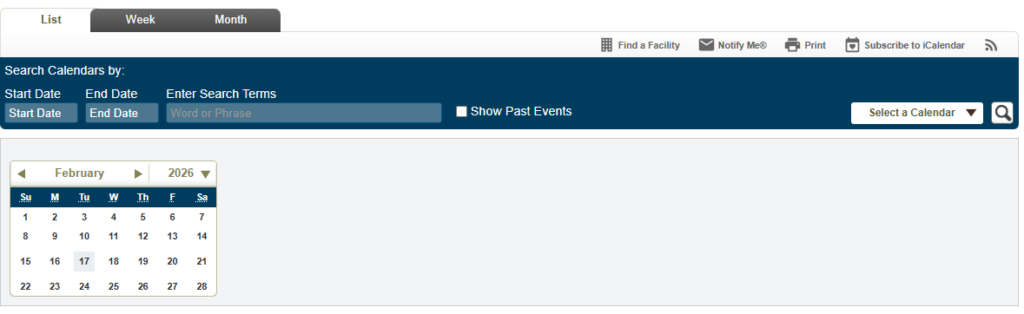
The Prince George’s County Court Calendar provides a complete overview of scheduled court events and trial dates across all divisions. It helps attorneys, parties, and the public understand when their cases are set to be heard. This calendar also ensures that courtrooms are managed efficiently and all hearings proceed according to schedule. By keeping a clear record of hearings, the system supports fairness and transparency in the legal process. It covers all court types, including Circuit Court, District Court, Family Division, and Orphan’s Court, so users can see the full spectrum of court activities in Prince George’s County.
How the Court Calendar Works
The court calendar acts as an official record of all scheduled court sessions. Each entry is carefully documented to ensure that judges, clerks, and court staff can manage the flow of cases efficiently. The calendar contains essential information such as case numbers, party names, hearing types, dates, times, and courtroom assignments. These details allow parties to know exactly when and where they need to appear, and they help maintain order within the courts. The calendar is continuously updated to reflect changes, ensuring that all parties have access to accurate, up-to-date information about case hearings and court sessions. Each entry in the Prince George’s County Court Calendar is assigned to the appropriate division, whether it is Circuit, District, Family, or Orphan’s Court, ensuring cases are scheduled according to the rules and requirements of that specific court. This system allows the courts to coordinate multiple hearings, avoid conflicts, and maintain a consistent daily docket for judges and staff.
Daily Docket vs. Long-Term Trial Dates
The daily docket and long-term trial dates serve different purposes but are both critical components of the court calendar. The daily docket lists all cases scheduled for a particular day, including short hearings, procedural motions, and status conferences. It is updated frequently to account for cancellations, rescheduling, or last-minute changes. This ensures that court staff and participants know what to expect on any given day.
Long-term trial dates, in contrast, cover cases scheduled weeks or months in advance, often including extended trials or jury sessions. These dates give parties and attorneys time to prepare evidence, witnesses, and documentation. Together, the daily docket and long-term trial dates form a complete picture of the schedule of hearings at Prince George’s County Court, helping maintain a predictable and organized court environment.
Court Calendar Features
By displaying all relevant information in one place, the Prince George’s County Court Calendar allows users to see upcoming hearings, case hearings, and trial dates at a glance. It also provides a centralized view of the courts’ workflow, showing how cases move through the legal system from initial filings to trial resolution. The court calendar is structured to provide clear, actionable information to all users. It includes:
- Case identification – unique case numbers and party names.
- Detailed hearing dates and times – ensuring participants know exactly when to appear.
- Courtroom and division assignment – indicating whether the case is in Circuit, District, or Family Court.
- Short-term and long-term schedules – combining daily docket information with long-term trial planning.
Importance of the Court Calendar
An updated court calendar is essential for ensuring that court sessions run smoothly and efficiently. It helps prevent scheduling conflicts, reduces delays, and keeps all participants informed. The calendar also ensures that all hearings and trials are properly documented, creating a transparent record of judicial activity. By providing clear access to hearing dates and daily dockets, the system supports fairness and accountability within the courts. Overall, the Prince George’s County Court Calendar is a vital tool for tracking court proceedings and understanding the schedule of legal events across the county.
Court Schedules & Tentative Rulings
The court schedule is the official framework that organizes hearings, trials, and other procedural matters across all divisions in Prince George’s County. It provides attorneys, parties, and the public with a clear timeline of upcoming events and ensures that cases proceed efficiently. By maintaining a structured courtroom schedule, the courts can manage session dates and prevent conflicts between cases. The daily docket is part of this system, showing all hearings set for a particular day and helping participants plan their attendance. Understanding these schedules and how tentative rulings influence hearings is essential for staying informed about ongoing cases.
Understanding Tentative Rulings
A tentative ruling is a preliminary decision issued by a judge before the scheduled hearing. It provides an initial opinion on a motion or other case matter, allowing the parties to anticipate possible outcomes. Although tentative rulings are not final, they can influence the scheduling of trial sessions and other hearings, sometimes shortening proceedings or prompting additional preparation. These rulings are usually posted online or communicated through court notices ahead of time, giving parties an opportunity to respond if necessary. Tentative rulings play a key role in managing the courtroom schedule, as they affect priorities and the timing of subsequent hearings.
How Tentative Rulings Influence Court Schedules
Tentative rulings can significantly impact the organization of court schedules in Prince George’s County. When a judge issues a tentative decision on a motion or case matter, it often determines whether a hearing will proceed as planned, be shortened, or require additional discussion. These preliminary rulings are considered before the formal hearing and can influence the order of cases in the courtroom schedule. For example, if both parties agree with a tentative ruling, the court may resolve certain motions quickly, freeing up time for other hearings or trial sessions. Conversely, if a party requests an oral argument, the case may remain on the calendar for a longer session. Tentative rulings are posted in advance through court notices and online portals, allowing all parties to anticipate changes and understand the potential flow of hearing times and session dates. By factoring in tentative rulings, the court ensures that daily operations remain organized, while judges can efficiently allocate time across multiple cases. This process helps maintain clarity in the Prince George’s County courtroom session times and ensures that hearings proceed smoothly without unnecessary delays.
How to Confirm Hearing Times
Confirming hearing times is essential to avoid missing court sessions and to stay informed about case developments. Court clerks are a reliable source for verifying scheduled hearings and any updates reflected in the daily docket or official calendar. Notices may also be sent through mail, email, or online portals, providing multiple ways for participants to track their schedules. Proper confirmation allows parties to prepare for hearings, review tentative rulings if available, and ensure that legal proceedings proceed smoothly. Key steps to confirm hearing times include:
- Contact the Court Clerk: Call or visit the clerk’s office to verify the date, time, and courtroom for your hearing.
- Check the Online Portal: Use Maryland Judiciary’s case search system to view updated hearing schedules and session details.
- Review Notices: Monitor mail, email, or portal notifications sent by the court for any changes or confirmations.
- Confirm Tentative Rulings: If applicable, review tentative rulings ahead of the hearing to prepare arguments or responses.
- Keep a Personal Calendar: Record confirmed dates and times to avoid scheduling conflicts or missed appearances.
Location & Contact Information
Knowing where the courts are located, how to reach them, and what to expect when visiting can make attending a hearing easier and less stressful. This section lists physical courtroom locations, court addresses, phone numbers, and office hours for all the main courts in Prince George’s County Court. Below, you’ll find everything you need for how to get to Prince George’s County courts, including parking and public access details.
Circuit Court – Main Courthouse
The Prince George’s County Circuit Court operates as the primary trial court for major matters in the county. It handles civil and criminal cases, jury trials, and appeals from lower courts. The Circuit Court is also home to several other judicial functions, including Orphans’ Court and some administrative offices. This courthouse serves as the hub for most courtroom locations in Prince George’s County, including civil, criminal, and family cases. It also provides general public access and information at the clerk’s office.
- Address: 14735 Main Street, Upper Marlboro, MD 20772
- Phone: 301‑952‑3655
- Hours: Monday–Friday, 8:30 a.m. – 4:30 p.m.
District Court Locations
The District Court system in Prince George’s County covers smaller civil claims, misdemeanors, traffic violations, landlord‑tenant disputes, and other matters. Both District Court locations offer public access counters and are open during regular business hours for court sessions, filing documents, and other services. There are multiple locations serving different parts of the county:
Hyattsville District Court
- Address: 4990 Rhode Island Avenue, Hyattsville, MD 20781
- Phone: 301‑298‑4200
- Hours: Monday–Friday, 8:30 a.m. – 4:30 p.m.
Upper Marlboro District Court
- Same general complex as Circuit Court: 14735 Main Street, Upper Marlboro, MD 20772
Family Division
The Family Division operates within the same court complex in Upper Marlboro. This division deals with sensitive matters such as custody, support, and domestic issues within family law. Family sessions are scheduled through the main courthouse calendar and require visitors to follow security and check‑in procedures at the front entrance.
- Address: 14735 Main Street, Upper Marlboro, MD 20772
- Phone: 301‑952‑3655
Orphans’ Court & Register of Wills
The Orphans’ Court handles probate matters, estate administration, guardianships, and related issues. The Register of Wills office, which processes estate paperwork, is also located in the same courthouse complex.
- Address: 14735 Main Street, Room D4001, Upper Marlboro, MD 20773
- Phone (Orphans’ Court): 301‑952‑3790
- Phone (Register of Wills): 301‑952‑3250
Visiting the Courts – Public Access & Facilities
When you plan a visit to any Prince George’s County Court, expect standard courthouse security at the entrance. All visitors must go through metal‑detector screening before entering. Most courthouses provide public facilities, including waiting areas and information desks near the main lobby.
- Parking Info: Free or paid parking is usually available adjacent to the courthouse complex in Upper Marlboro. On busy days, especially for jury duty or multiple hearings, it’s a good idea to arrive early to find a convenient spot.
- Directions & Accessibility: While an embedded map can show locations visually, the court complex is centrally located off Main Street in Upper Marlboro, with good access from local roads and public transportation. Street signage clearly marks courthouse entrances, and staff at public counters can help you with directions once inside.
Frequently Asked Questions
The Prince George’s County Court Calendar helps residents, attorneys, and the public track all scheduled hearings, trial dates, and courtroom activities. Understanding the calendar, hearing dates, and daily dockets is essential for staying on top of legal matters. This FAQ section answers the most common questions about court schedules, tentative rulings, and session times. It provides clear guidance for finding court information, understanding how hearings are organized, and keeping updated with trial updates. By reviewing these answers, users can gain confidence in managing their court responsibilities and ensuring timely participation in all scheduled sessions.
How do I find my Prince George’s County hearing date?
To locate your hearing date, visit the official Prince George’s County Court Calendar or the Maryland Judiciary case search portal. You will need either your case number or the full names of the parties involved. Once entered, the system provides details including the type of hearing, courtroom number, scheduled time, and session dates. The daily docket shows short hearings, motions, and status conferences, while long-term trial dates list jury trials and extended proceedings. It is important to check the calendar regularly, as court dates may change. Official notices are also sent by mail or email, ensuring you receive updates about your scheduled hearings and any adjustments to your case.
Can court dates change after scheduling?
Yes, court dates can change due to judge availability, case continuances, or conflicts with other hearings. Updates appear on the court schedule, and the daily docket reflects these changes. Tentative rulings or emergency motions may also affect timing, requiring rescheduling of hearings or trial sessions. Parties involved in a case are notified through official channels, including mail, email, or the court’s online portal. It is recommended to verify your hearing date in advance to avoid missed appearances. Keeping track of trial updates ensures you remain informed about new developments, cancellations, or rescheduled sessions, helping you stay fully prepared for court proceedings.
What is a daily docket in court?
A daily docket is a listing of all hearings, motions, and trial sessions scheduled for a particular day in Prince George’s County Court. It provides a snapshot of the court’s workload, including short hearings, procedural matters, and scheduled trials. The daily docket is updated frequently to reflect changes such as continuances, cancellations, or adjustments in hearing times. It differs from the official court calendar, which tracks long-term sessions across weeks or months. Reviewing the daily docket helps attorneys, parties, and the public understand courtroom session times, track case progress, and plan attendance. It ensures that everyone involved in a case has access to accurate session dates and timely court information.
How do tentative rulings affect my case?
Tentative rulings are preliminary decisions issued by judges before a scheduled hearing. They provide an initial opinion on motions or case matters, helping parties anticipate how the court may decide. While not final, tentative rulings can influence courtroom schedules, possibly shortening hearings or prioritizing certain cases. These rulings are posted online or provided in court notices, giving parties time to respond or prepare arguments if needed. Tentative rulings may also affect the flow of trial sessions and daily hearings, allowing courts to allocate time efficiently. Reviewing tentative rulings helps participants understand potential outcomes and plan their participation for upcoming hearing dates effectively.
Where can I find the Circuit Court schedule?
The Circuit Court schedule in Prince George’s County is part of the official court calendar and includes long-term trials and daily hearings. It provides detailed information on hearing times, courtroom assignments, and case divisions. Users can view the schedule online through the Prince George’s County Court website or the Maryland Judiciary case search tool. This schedule allows parties to monitor session dates, track trial updates, and understand when their cases will be heard. Daily dockets for the Circuit Court display short hearings, status conferences, and procedural matters. By consulting the official schedule, participants can ensure they are prepared for appearances, avoid missed hearings, and stay informed about any changes in court notifications.
Are court calendars available online?
Yes, the Prince George’s County Court Calendar is accessible online for public use. Online calendars display hearing dates, trial sessions, and the daily docket for each court division. They provide transparent access to session dates, tentative rulings, and other court notifications. Users can filter by case type, court division, or date range to locate relevant hearings quickly. The online system ensures parties, attorneys, and the public can track trial updates in real time, helping prevent missed court appearances. Using the online calendar alongside mailed or emailed notices ensures participants stay fully informed and prepared for all scheduled proceedings in Prince George’s County courts.