Prince George’s County Orphan’s Court is the probate court responsible for handling estate matters, wills, and guardianship cases within the county. As the official court for probate, it ensures that the property and assets of deceased individuals are distributed according to their legal wishes. The court also oversees the administration of estates, making sure that personal representatives or executors follow Maryland probate laws accurately. Beyond estate distribution, it plays a key role in appointing guardians for minors or adults who cannot manage their own affairs. Residents relying on this court can expect structured procedures for filing estate documents, resolving disputes among heirs, and validating wills. By providing a clear legal framework, the Orphan’s Court helps families navigate probate matters efficiently while protecting the rights of beneficiaries and dependents. Its services are essential for anyone dealing with estate or guardianship issues in Prince George’s County.
The court’s responsibilities extend to overseeing all probate matters in Prince George’s County, including disputes, creditor claims, and estate taxes. Executors and personal representatives submit accounts and reports to ensure transparency and fairness in the administration process. In cases involving guardianship, the court evaluates the suitability of proposed guardians, safeguarding the welfare of minors or incapacitated adults. Legal professionals, family members, and beneficiaries rely on this court to enforce wills accurately and to settle estate disagreements. By functioning as a court for wills and guardianship, the Orphan’s Court provides structured guidance while upholding legal standards. For local residents, understanding its role simplifies estate planning, reduces conflicts, and ensures compliance with Maryland law. This makes the court a vital institution for both routine and complex probate proceedings in the county.
What is Prince George’s County Orphan’s Court?
Prince George’s County Orphan’s Court is a specialized court that handles estate and guardianship matters. The Orphan’s Court within Prince George’s County Court ensures legal oversight for the distribution of deceased individuals’ assets and the protection of minors or incapacitated adults. The Orphan’s Court has a long history rooted in Maryland law. Originally established to supervise the estates of deceased persons, it functions today as a probate and guardianship court. Its jurisdiction covers a wide range of estate cases, providing legal authority to manage wills, estate administration, and guardianships. The court acts as a dedicated forum for managing estates, ensuring that assets are distributed according to the deceased’s wishes and state law.
Types of Cases Handled
The court provides a structured process for these matters, protecting both heirs and vulnerable individuals. Attorneys, family members, and fiduciaries often work with the court to ensure proper compliance with probate and estate laws. Prince George’s County Orphan’s Court primarily deals with the following types of cases:
- Wills and Testaments: Validating the deceased’s will, resolving disputes, and ensuring proper execution of final wishes.
- Estate Administration: Overseeing the inventory, appraisal, and distribution of estate assets among heirs and creditors.
- Guardianship of Minors or Incapacitated Adults: Appointing legal guardians to manage personal and financial matters for those unable to do so themselves.
How Orphan’s Court Differs from Other Courts
Unlike the Circuit Court or District Court, which handle civil, criminal, and broader legal matters, Orphan’s Court focuses solely on estate and guardianship issues. While Circuit Court may hear appeals from Orphan’s Court decisions, the specialized nature of Orphan’s Court allows it to concentrate expertise on probate and guardianship cases. This targeted approach ensures thorough legal oversight of deceased estates and the well-being of minors or incapacitated adults. By providing a dedicated forum for these matters, Prince George’s County Orphan’s Court plays a crucial role in maintaining fairness and clarity in estate administration. Legal professionals often highlight that its processes reduce disputes among heirs and safeguard the rights of dependents.
How to Search Orphan’s Court Records
Orphan’s Court records provide key details about estate cases, wills, and guardianship filings in Prince George’s County. You can search these records online or by visiting the court in person. This guide explains every step to help you access the records you need.
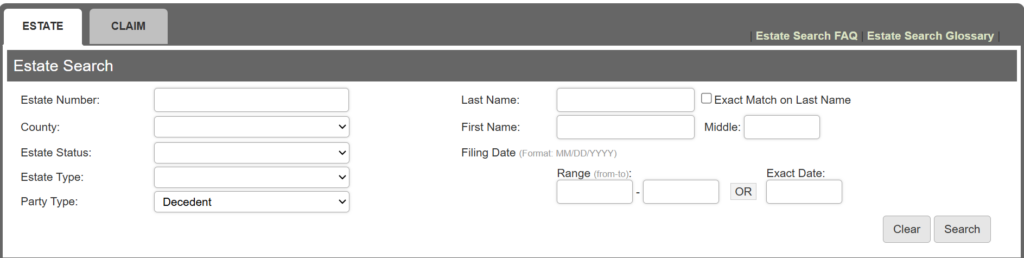
Visit the Official Estate Search Portal
- Open the website:
https://registers.maryland.gov/main/search.html - Select Prince George’s County:
- In the dropdown, choose Prince George’s County to filter the records for this jurisdiction.
Fill in Search Criteria
After selecting Prince George’s County, you should see fields to fill out:
Search by Name ( Search Method)
- Last Name: Enter the deceased person’s last name.
- First Name: If needed, enter the first name for a more refined search.
- Search: Click the Search button.
Search by Estate Number
- If you have the Estate Number, enter it in the corresponding field.
- This will directly show the estate related to the number, avoiding broad results.
Review Search Results
Once you’ve submitted your search, the page will display a list of estate records with details like:
- Decedent’s Name (the deceased person’s name)
- Estate Number
- Date Opened (when the estate was filed)
- Estate Type (e.g., probate, guardianship)
- Status (active, closed, pending)
View Documents or Get Further Information
- Some records may be available directly in the search portal, offering key details like basic probate filings, wills, and guardianship records.
- For more detailed documents (such as full estate files), you may need to request physical copies or visit the court in person.
What To Do If You Can’t Find Records Online
- Try searching by estate number — This is the most accurate method and should help narrow down the search.
- Call the Register of Wills office at 301-952-3250 for further assistance.
- Visit the courthouse for in-person access to the full case records.
In-Person Search at the Register of Wills Office
If the records you need are not available online, you can visit the Prince George’s County Orphan’s Court in person:
Address:
Register of Wills
14735 Main Street, Room D4001
Upper Marlboro, MD 20773
Operating Hours:
8:30 AM – 4:30 PM, Monday to Friday (Closed weekends & holidays)
Functions and Responsibilities of the Orphans’ Court
An Orphans’ Court handles legal matters tied to a deceased person’s estate, minor heirs, and vulnerable family members. The Orphans’ Court uses its court docket to track estate settlements, appoint trusted representatives, and record disputes linked to inheritance or guardianship.
Estate Settlement and Will Approval
The Orphans’ Court oversees core estate settlement procedures after a death. Judges review the will, confirm its validity, and confirm that legal rules were followed during signing and witnessing. This step protects heirs from fraud and keeps property transfer fair. For example, if two wills appear with different dates, the court studies witness testimony and document evidence. The most recent valid will controls how property passes.
Primary duties in this stage include:
- Validating wills and rejecting invalid documents
- Opening estate administration through formal court approval
- Confirming heirs and beneficiaries named in the record
- Supervising payment of debts and taxes before distribution
- Authorizing final transfer of assets to rightful parties
Appointment and Monitoring of Personal Representatives
The court appoints an executor or personal representative to manage estate tasks. This person gathers property, secures accounts, pays creditors, and files reports with the court. Judicial monitoring keeps finances transparent and prevents misuse. A personal representative sells a home owned by the estate. The Orphans’ Court checks the sale price, confirms fair market value, and approves the transaction before funds reach heirs.
Typical supervision actions include:
- Reviewing inventory lists of estate property
- Checking accounting reports that show spending and payments
- Requiring court approval before major asset sales
- Closing the estate only after full compliance
Guardianship and Protection of Minors or Disabled Persons
The Orphans’ Court plays a central role in legal guardianship oversight. Judges appoint guardians for minors who inherit property or for adults unable to manage finances or care needs. Medical records, financial statements, and testimony support each decision. This supervision keeps vulnerable family members safe and preserves inherited assets until proper use becomes possible.
Common court actions include:
- Naming a guardian of the person for daily care
- Naming a guardian of property to manage inheritance funds
- Requiring regular financial reports from guardians
- Reviewing living conditions to protect well-being
Dispute Resolution in Estates and Trust Matters
Family conflict may arise during inheritance. The Orphans’ Court handles probate dispute resolution through hearings, document review, and sworn testimony. Judges issue binding rulings that settle disagreements and allow estate closure. Clear court decisions reduce long-term conflict and create an official legal record.
Frequent disputes involve:
- Claims that a will was signed under pressure
- Questions about missing or undervalued assets
- Concerns about executor conduct or delays
Filing Estate Cases in Orphans’ Court
Filing estate cases in the Orphans’ Court starts the formal legal process for supervised estate administration after a person’s death. The court reviews documents, appoints a personal representative, and oversees each step until assets reach the proper heirs.
Estate Case Procedures
The probate application process within Orphans’ Court follows structured legal steps. Each action creates an official court record and allows the estate to move forward in a lawful way. After appointment, the personal representative gains legal authority to gather assets, settle debts, and prepare reports for court review.
Core filing sequence:
- Complete the initial petition requesting appointment of a personal representative.
- Submit estate paperwork to the Orphans’ Court in the county where the deceased lived.
- File the original will for court examination, if one exists.
- Receive court authorization that opens formal estate administration.
- Provide notice to heirs and creditors using approved legal notice methods.
Required Documents for Orphans’ Court Filing
Accurate documentation allows the court to confirm identity, death, and financial details tied to the estate. Missing records often slow estate case procedures, so complete preparation supports faster review. Complex estates may require extra financial statements, prior court orders, or trust records.
Documents commonly required by Orphans’ Court:
- Certified death certificate confirming the date and place of death
- Original signed will and any amendments
- List of heirs or beneficiaries with contact information
- Preliminary summary of assets, such as bank accounts, property, or vehicles
- Known debts or creditor details linked to the estate
- Government-issued identification from the person filing the petition
Typical Timeline for Estate Administration
Processing time in Orphans’ Court depends on estate size, creditor claims, and family agreement. Straightforward matters often close sooner than contested or high-value estates. Disputes, property sales, or missing heirs may extend the schedule. Clear filings and timely responses help keep administration moving.
| Stage in Orphans’ Court Estate Process | Usual Time Range |
|---|---|
| Court review and appointment | 2–6 weeks |
| Asset collection and creditor notice | 2–4 months |
| Debt settlement and accounting review | 3–6 months |
| Final distribution and estate closure | About 6–12 months |
Online Filing Options in Orphans’ Court
Some Orphans’ Court offices allow digital submission of estate paperwork through secure court portals. Online filing can speed document review, allow electronic fee payment, and provide status updates without repeated courthouse visits. Local court instructions explain whether online filing is available for a specific county.
Before using e-filing, users should confirm:
- Accepted document formats for upload
- Electronic signature rules for petitions and forms
- Available payment methods for filing fees
- Email or portal case tracking features
Wills and Probate Process in Orphans’ Court
Wills receive legal recognition in Orphans’ Court through a formal review that confirms authenticity and proper execution. The court then supervises estate settlement, directs executors of estates, and resolves issues that may slow the probate of a last testament.
How Orphans’ Court Validates a Will
Orphans’ Court begins with will authentication. Judges review the original signed document, witness statements, and filing forms to confirm that legal signing rules were followed. This step protects heirs and blocks fraudulent or altered papers from controlling inheritance. If the will fails any requirement, the court may apply state inheritance rules instead of the document’s instructions.
Key validation checks include:
- Presence of the original signed will
- Proper witness signatures under state law
- Clear testator intent within the document text
- Absence of proven fraud, pressure, or forgery
Duties of Executors Under Court Supervision
After approval, the court confirms the executor of the estate or appoints a personal representative. This role carries legal authority to manage property and financial matters tied to the deceased person. Orphans’ Court monitors each action through required filings and accountings. Court approval may be required before selling real estate or closing the estate.
Main executor responsibilities include:
- Collecting and protecting estate assets
- Opening an estate bank account for transactions
- Paying debts, taxes, and valid claims
- Preparing financial reports for court review
- Distributing property to named beneficiaries
Court Hearings in the Probate of a Last Testament
Some estates move forward with limited court appearances. Others require formal hearings that address legal questions or family concerns. Orphans’ Court schedules hearings to review evidence, hear testimony, and issue binding decisions. These proceedings create an official record that confirms lawful estate handling.
Hearings may occur for:
- Contested wills or disputed signatures
- Requests to remove or replace an executor
- Approval of major asset sales or settlements
- Final estate accounting and closure
Delays in the Orphans’ Court Probate Process
Estate settlement timelines vary based on paperwork quality, asset type, and family agreement. Several issues frequently slow progress in Orphans’ Court. Clear documentation and timely responses help estates move forward with fewer interruptions.
Typical sources of delay:
- Missing original will or incomplete filings
- Disputes between heirs or beneficiaries
- Property requiring appraisal or court-approved sale
- Unpaid creditor claims or tax questions
Guardianship and Conservatorship
Guardianship and conservatorship are legal frameworks designed to protect individuals who cannot manage their personal or financial affairs. In Prince George’s County, the Orphan’s Court oversees these matters as part of its broader role in estate administration. Understanding the distinction between these terms is crucial for anyone considering legal intervention.
Guardianship vs Conservatorship
While often used interchangeably, guardianship and conservatorship serve different purposes. Guardianship typically refers to the legal authority to care for a minor or incapacitated adult, including decisions about health, education, and living arrangements. Conservatorship, on the other hand, focuses specifically on managing the financial and estate-related matters of an individual who is unable to do so independently. Both require formal court appointments to ensure the rights and well-being of the individual are protected.
Who Can Petition for Guardianship
Eligible petitioners usually include parents, adult family members, or close relatives concerned about the welfare of a minor or incapacitated person. In certain cases, healthcare providers or social service agencies may also file petitions, particularly when no family member is available. The court evaluates the petitioner’s relationship, suitability, and ability to act in the best interest of the individual.
Court Responsibilities in Appointing Guardians
The Orphan’s Court carries the responsibility of reviewing all petitions for guardianship and conservatorship. Judges assess the necessity of the appointment, the suitability of the proposed guardian or conservator, and whether the individual’s needs can be met effectively. This includes verifying background checks, evaluating financial management skills, and ensuring that the proposed guardian is capable of acting in the best interest of the minor or incapacitated adult.
Procedures and Legal Requirements
The process generally begins with filing a formal petition with the court, accompanied by supporting documentation such as medical records or financial statements. A notice must be served to the person who is the subject of the guardianship or conservatorship, and a court hearing is scheduled. During the hearing, the judge may appoint a guardian ad litem to represent the interests of the incapacitated person. Upon approval, letters of guardianship or conservatorship are issued, granting the appointed individual legal authority to manage the personal or financial matters of the person under their care.
Court Fees, Forms, and Documents in Orphans’ Court
Orphans’ Court requires specific forms, filing fees, and documents before it will process estate cases. Correct paperwork and accurate payment help the court review submissions faster and support proper estate administration.
Orphans’ Court Forms
Most estate matters start with standard Orphans’ Court forms provided by official court websites. These forms are used to open cases, list heirs, file inventories, and report account activity. Many other county courts also host downloadable PDFs from their Orphans’ Court division or through their Register of Wills office. Always use the most recent version to avoid rejected submissions.
You can download official forms from these sources:
- Pennsylvania Unified Judicial System Orphans’ Court forms: https://www.law.cornell.edu/regulations/pennsylvania/Pa-Code-tit-231-pt-II-app-ORPHANS-COURT-and-REGISTER-OF-WILLS-FORMS?utm_source=chatgpt.com
- Mercer County (PA) Orphans’ Court forms : https://www.mercercountypa.gov/RegisterOfWills/Forms.htm
- Allegheny County Orphans’ Court forms — official printable forms for wills, estates, guardianships, and related filings.
- Delaware County (PA) Orphans’ Court forms — includes notice of claims and guardianship inventory forms.
- Lehigh County Court of Common Pleas forms — general Orphans’ Court forms for estate filings.
Estate Filing Fees in Orphans’ Court
Larger estates with formal accounts, audits, or extensive notices may incur higher fees, and some courts add state fees for appeals or special actions. Exact amounts vary by jurisdiction. Orphans’ Court charges fees to open and process estate cases. Costs may differ by county, but here are representative amounts from current Pennsylvania Orphans’ Court schedules:
Common fees include:
| Filing Type or Service | Typical Fee Range | Purpose in Estate Administration |
|---|---|---|
| Small estate petition filing | $40 – $50 | Opens a low-value estate case |
| Notice of claim or petition | $40 – $50 | Files a formal request or creditor notice |
| Certified copy of court record | $10 – $15 per copy | Provides an official certified document |
| Hearing or motion filing | $10 – $35 | Requests court review or action |
| Court automation or docket fee | About $10 | Covers electronic record processing |
Timeline for Processing Estate Cases
Incomplete paperwork, missing signatures, or unpaid fees can delay processing. Once forms and fees are submitted:
- Clerk review: a few business days
- Court authorization: often within weeks
- Asset collection and notices: typically months
- Final accounting and closure: several months up to about a year, depending on estate size and complexity
Attorneys and Legal Assistance for Orphans’ Court Estate Cases
Legal support can help families manage estate cases filed in Orphans’ Court, from document preparation to final asset distribution. An experienced attorney familiar with probate court procedures and local rules can reduce errors, prevent delays, and represent clients during hearings or disputes.
Finding Local Probate and Estate Attorneys
Families often begin their search through a county or state bar association. These directories list licensed lawyers who handle probate legal assistance, guardianship matters, and estate settlement work. One reliable starting point is the Pennsylvania Bar Association, which offers lawyer-referral services and practice-area searches. Many county bar associations provide similar referral programs that connect users with qualified estate administration lawyers or wills and guardianship attorneys in their area.
When reviewing attorney listings, helpful details include:
- Years of experience in Orphans’ Court matters
- Focus on estate settlement, guardianship, or trust disputes
- Client reviews or peer recognition
- Clear consultation policies and fee structures
Choosing the Right Attorney for Orphans’ Court Matters
Selecting legal counsel requires careful comparison of qualifications and communication style. A strong attorney should explain estate procedures in plain language and outline expected timelines, costs, and court requirements. Clear answers help families feel confident about representation and next steps.
Key questions to ask during an initial consultation:
- How many Orphans’ Court estate cases has the attorney handled recently?
- What services are included in the legal fee?
- How will the attorney communicate case updates?
- What challenges could affect estate administration or guardianship approval?
When Legal Help Becomes Most Valuable
Some estate matters move forward with limited legal involvement. Professional guidance during these stages can keep filings accurate and court proceedings organized. Others benefit from full attorney support, especially in situations such as:
- Contested wills or inheritance disputes
- Guardianship petitions for minors or disabled adults
- Large or complex estates with multiple assets
- Creditor claims or tax concerns affecting distribution
Location & Contact Information
Here’s the key Prince George’s County Orphans’ Court information you need to file and manage estate cases and guardianship matters.
Court Address & Hours
Prince George’s County Circuit Court houses the Orphans’ Court division, which sits within the DuVall Wing of the Upper Marlboro Courthouse. The specific court unit you will visit for estate, will, and related matters is on the fourth floor.
Physical Address:
14735 Main Street, #D4001
Upper Marlboro, MD 20772 / 20773
Office Hours:
The courthouse and its divisions, including Orphans’ Court, operate Monday through Friday, 8:30 a.m. to 4:30 p.m., except on state legal holidays.
Phone & Email Contacts
- Orphans’ Court Main Phone: (301) 952-3655
- Register of Wills Office (clerk support for estate filings): (301) 952-3250
- Court Fax: (301) 952-4489
The Register of Wills office also serves as the court’s clerk for estate filings and record updates. It is located in the same building and can help with document questions during estate case processing.
Directions & Public Access
The courthouse is in Upper Marlboro, near central Prince George’s County government and administrative offices. Parking is available on site and around the courthouse complex. Specific information on parking and access routes is listed on the county court system’s official pages. Many estate and guardianship matters are filed in person, mailed to the court, or dropped in a secure drop box at the courthouse entrance. Electronic filing is not accepted for estate or guardianship cases, though requests for virtual hearing appearances may be submitted in specific situations.
Frequently Asked Questions
Families often face urgent concerns about wills, guardianship, and the full path of estate administration after a death. Clear answers reduce confusion, support correct filing, and prepare relatives for court timelines and responsibilities. This section explains common questions tied to local estate matters using plain language and real court procedure. Readers can rely on these responses as a starting reference before contacting court staff or legal counsel for case-specific direction.
What is the Orphans’ Court in Prince George’s County?
The Prince George’s County Orphans’ Court serves as the judicial body that manages legal matters linked to deceased estates, valid wills, and protection of minors or disabled adults. Judges confirm whether a submitted will meets legal signing rules, supervise the transfer of property to heirs, and approve guardianship appointments when a person cannot manage personal or financial affairs. The court works closely with the Register of Wills office, which receives filings, maintains estate records, and supports administrative processing. Hearings may occur if disputes arise about inheritance, document authenticity, or representative conduct. Most families interact with this court during probate filing or guardianship requests. Its primary purpose is to protect legal rights, confirm lawful distribution of assets, and create a permanent public record for every estate opened within the county jurisdiction.
How do I file a probate case?
Filing begins with submission of estate paperwork to the Register of Wills in the county where the deceased person lived. Required documents usually include the original signed will, a certified death certificate, a list of heirs or beneficiaries, and basic financial information describing property and debts. Court staff review the submission for completeness before the estate can open. After approval, the court appoints a personal representative who receives authority to gather assets, notify creditors, and manage payments connected to the estate. The representative must follow reporting deadlines and may need court permission before selling property or distributing funds. This structured probate case process protects heirs and creditors by creating legal oversight from the beginning. Accurate paperwork and timely responses help prevent delays and allow estate administration to proceed in an orderly and lawful manner.
How long does estate administration take?
The length of estate administration depends on asset type, debt resolution, and agreement among family members. Many routine estates close within six to twelve months after filing, though complex or disputed matters may continue longer. Time is spent locating assets, publishing creditor notice, reviewing claims, and preparing a complete financial accounting for court approval. Real estate sales, tax review, or difficulty locating heirs can extend the schedule. Court supervision at each phase protects beneficiaries from unpaid obligations or reporting errors before final distribution occurs. Prompt document submission and clear communication between the personal representative and interested parties often shorten the overall timeline. Every estate follows its own pace, yet the court aims to complete settlement as efficiently as legal requirements allow while preserving fairness and transparency for all parties connected to the estate.
What is the difference between guardianship and conservatorship?
Guardianship and conservatorship both provide legal protection for someone unable to manage personal care or financial affairs independently. Guardianship focuses on daily living needs such as medical treatment, housing, and safety decisions. Conservatorship centers on managing money, protecting property, and paying ongoing expenses. The court reviews medical evidence and financial records before granting either authority and appoints a responsible person to act in the protected individual’s best interest. Regular reports must describe care conditions and financial activity so the court can monitor continued suitability. In some situations, one person fills both roles, while other cases divide responsibilities between separate appointees. These protections often appear when minors inherit property or adults experience serious health limitations. Continued court supervision helps maintain safety, financial stability, and accountability throughout the duration of the appointment.
Do I need an attorney for probate cases?
Legal representation is optional for many estates, particularly smaller matters with clear heirs and limited property. Some families complete filings using court instructions and limited assistance from the Register of Wills office. Legal support becomes more valuable when disputes arise, complex assets exist, or guardianship petitions require formal hearings. Attorneys can prepare accurate documents, track deadlines, and present arguments if disagreements develop between beneficiaries or creditors. Professional involvement may reduce procedural mistakes that could delay settlement or require corrective filings. Costs vary based on estate size and the amount of legal work required, though many lawyers offer consultations explaining expected services and fees. The decision to hire counsel depends on estate complexity, family cooperation, and comfort with legal paperwork. Careful evaluation of these factors helps families choose the level of assistance that best fits their situation.
How much does filing a will cost?
Filing costs depend on estate value, document certification needs, and whether hearings occur during administration. Small estate filings often involve modest court fees that may remain under one hundred dollars, though certified copies or additional motions can increase the total amount. Larger estates may carry higher administrative charges tied to asset value or extended review requirements. Payment is usually required at the time of submission, and official fee schedules list current amounts for each filing type. Reviewing these schedules in advance helps families prepare financially and avoid rejected paperwork caused by incorrect payment. Extra expenses may include attorney services, appraisal charges, or property maintenance during settlement. Awareness of expected costs early in the process allows families to plan responsibly and proceed through estate administration with fewer unexpected financial burdens.